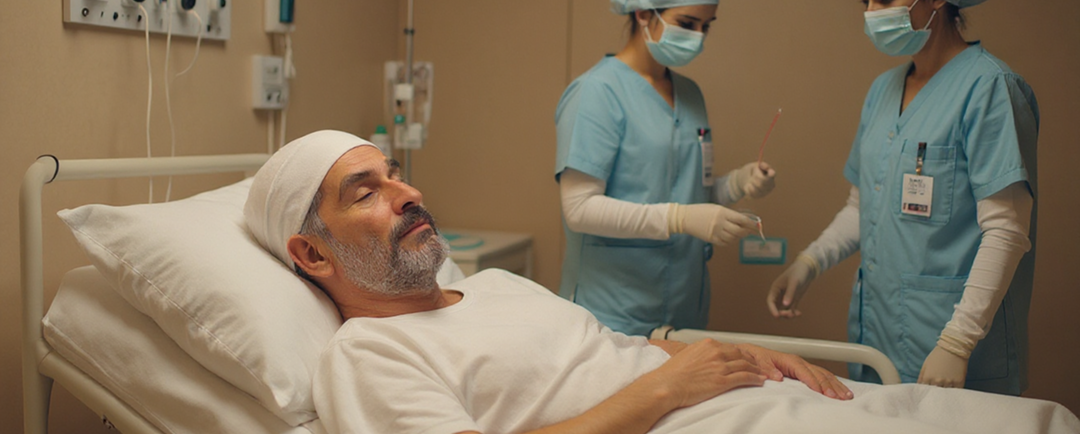
Long-Term Care & Post-Acute Rehabilitation
Comprehensive Long-Term Care for Medically Complex Adults & Children.
24/7 multidisciplinary support, personalized rehabilitation, and dignity-centered living.
Our LTC team cares for patients who are medically stable but require ongoing skilled care or technology-dependent support, such as prolonged mechanical ventilation, tracheostomy, PEG feeding, complex wound management, severe neurological impairment, and end-stage organ failure. We conduct interdisciplinary rounds (physicians, nurses, respiratory therapists, physiotherapists, dietitians, and case managers) to ensure holistic, goal-oriented care with active family involvement.
Common Conditions & Subspecialty Clinics.
- Terminal illness patients requiring symptom control
- Candidates for hospice care where hospital-level support is still necessary
- Infants and children with tracheostomy and gastrostomy tubes
- Congenital metabolic or genetic conditions with complex care needs
- Long-term parenteral nutrition for intestinal failure or absorption disorders
- Non-healing surgical wounds or flaps
- Multiple pressure injuries requiring specialized wound care
- Orthopedic trauma with external fixators and prolonged rehabilitation plans
- End-stage heart failure requiring inotropic infusion support
- Chronic kidney disease patients on bedside hemodialysis
- Advanced liver disease awaiting transplant and requiring close monitoring
- Traumatic brain injury with prolonged recovery
- Hypoxic-ischemic encephalopathy with functional dependence
- Patients in minimally conscious or vegetative states
- Severe cerebral palsy requiring multi-system care
- Chronic neuromuscular diseases (ALS, spinal muscular atrophy)
- High cervical spinal cord injury (SCI) with ventilator dependence
- Severe COPD requiring long-term non-invasive or invasive ventilation
- Post-ARDS patients requiring prolonged tracheostomy weaning
Procedures & Treatments.
-
Continuous telemetry and end-tidal CO₂ monitoring
-
Central-line, PICC, and port maintenance; bedside ultrasound for PIV access
-
Tracheostomy changes, cuff-pressure checks, and speaking-valve trials
-
Ventilator-weaning protocols (IPV, NAVA support) and nocturnal NIV transition
-
24/7 RN & RT coverage with nurse-to-patient ratio: 1:4 (ventilator patients) / 1:6 (non-ventilator patients)
-
Neuropsychology
Cognitive stimulation for brain injury recovery
-
Speech & Language Therapy
Swallowing rehabilitation, communication boards, AAC device trials
-
Occupational Therapy
ADL training, assistive-device assessment
-
Physiotherapy
Early mobilization, standing frame, FES cycling
-
Palliative care integration
Pain and symptom control, goals-of-care discussions
-
Enteral & parenteral nutrition with RD monitoring; customized caloric & micronutrient targets
-
Renal replacement
Bedside SLED if hemodialysis is not transportable
-
Complex wound care
Negative-pressure therapy, advanced dressings, pressure-mapping mattresses
-
On-site physician 24/7 / hospitalist consult daily; weekly subspecialty rounds (pulmonology, neurology, nephrology)
-
Telehealth updates for international families
-
Social worker-led care conferences and discharge planning
-
Multilingual family-education program on tracheostomy and feeding-tube care
-
Flexible visiting hours; overnight family suites adjacent to the unit
Care Pathway & Coordination.

Pre-Admission Assessment
Medical record review, ventilator settings, wound status, rehab potential.

Day 0–1 Onboarding
Transfer with RT escort; baseline labs, skin assessment, and care goals set.
Week 1 Comprehensive Plan
Interdisciplinary meeting; ventilator-weaning targets, rehab schedule, and nutrition prescription established.
Ongoing Weekly Rounds
Progress review (vent settings, mobility milestones, pressure-injury status) with family.
Milestone Re-evaluation
Progress toward discharge or long-term maintenance pathway.
Transition / Discharge
Caregiver training, home ventilator setup, outpatient follow-up schedule.
Technology & Facilities.
-
Respiratory-Care Gym
High-flow O₂, cough-assist, portable ventilators for ambulation trials
-
Smart Mattress Sensors
Real-time pressure mapping to prevent ulcers
-
Integrated EMR Early-Warning Scores
Predict respiratory decompensation
-
Tele-ICU Backup
Intensivist oversight for acute changes without transfer
-
Therapeutic Recreation Room
VR cognitive games, music therapy, family events