Spine and Scoliosis
Spine Surgery & Scoliosis Care
Advanced spine and scoliosis correction with minimally invasive techniques, precision navigation, and personalized rehabilitation.
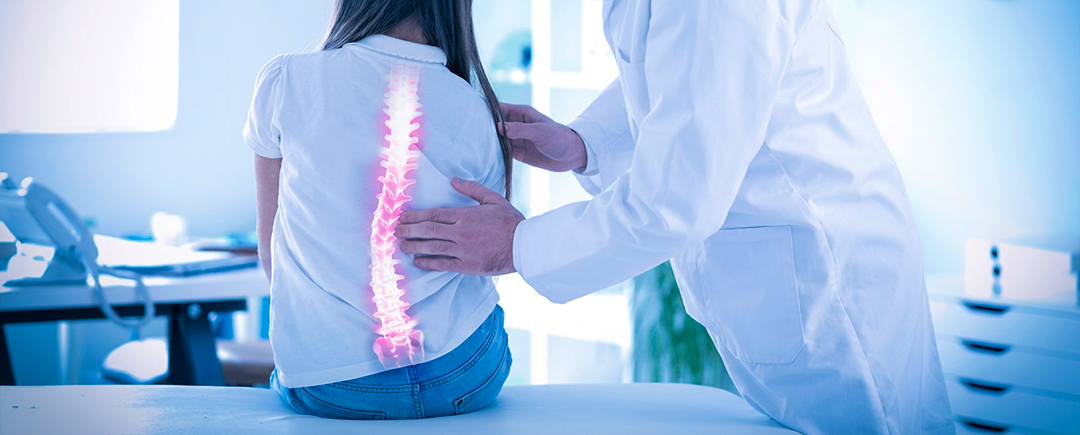
Our team prioritizes non-surgical treatment whenever possible, including physiotherapy, pain management, bracing, and rehabilitation. Surgery is considered when spinal deformity progresses, neurological function is at risk, instability develops, or symptoms significantly impact daily life. We provide advanced management for scoliosis and complex spinal conditions using precision imaging, intraoperative neuromonitoring, and customized correction strategies to improve spinal balance, posture, function, and long-term outcomes.
O-arm 3D
imaging and Navigation-guided spine surgerySpecialized
scoliosis & deformity correction programMinimally invasive spine surgery (MISS) techniques
Multidisciplinary spine board & neuro-rehabilitation
Common Conditions & Subspecialty Clinics.
Procedures & Treatments.
Revision spine surgery for failed prior procedures
Spine infection debridement & reconstruction
Tumor stabilization surgery in collaboration with Oncology
Vertebral augmentation & kyphoplasty
Spinal trauma surgery
ACDF (Anterior Cervical Discectomy & Fusion)
Motion-preserving cervical disc replacement
Anterior Spinal fusions (ALIF/ OLIF/ XLIF)
Posterior spinal fusions (TLIF/PLIF)
MIS microdiscectomy & decompression
Bracing programs for selected scoliosis patients
Osteotomies for severe deformity correction
Complex spinal deformity reconstruction
Growth-friendly solutions for pediatric scoliosis
3D-planned scoliosis correction surgery
Care Pathway & Coordination.

Consultation
Comprehensive evaluation to understand your symptoms, medical history, and treatment goals.

Advanced Imaging & Spinal Alignment Analysis
Detailed imaging and alignment assessment to accurately diagnose spinal conditions.
Multidisciplinary Spine Board Review
Collaborative case review by spine specialists to develop a personalized treatment plan.
Prehabilitation & Physiotherapy
Customized therapy program to improve strength, mobility, and surgical readiness.
Surgery (If Indicated)
Advanced surgical treatment using the most appropriate techniques for your condition.
ERAS Pain Management
Enhanced Recovery After Surgery (ERAS) protocols to optimize pain control and promote faster recovery.
Neuro-Rehabilitation & Follow-Up Care
Ongoing rehabilitation and regular follow-up to restore function and support long-term recovery.
Scoliosis & Spinal Deformity Program
Comprehensive pediatric and adult scoliosis care with advanced 3D planning, deformity analysis, corrective surgery, and long-term rehabilitation.
Minimally Invasive Spine Surgery Program
Focused on reducing tissue disruption, shortening recovery time, minimizing pain, and enabling faster return to daily activities.
Spine Infection Multidisciplinary Clinic
Integrated care pathway involving infectious disease specialists, spine surgeons, radiologists, and rehabilitation experts.