Neurosurgery (Brain and Spine)

Neurosurgery (Brain and Spine)

Advanced brain and spine surgery in Abu Dhabi for brain tumors, spine disorders, back pain, disc problems and nerve conditions.

Microscope, endoscope, navigation, guided, minimally invasive and robotic techniques for safer brain and spine surgery and faster recovery.

Advanced brain and spine surgery in Abu Dhabi for patients with brain tumors, spinal cord tumors, pituitary disorders, vascular lesions, traumatic brain injury, herniated discs, spinal stenosis, chronic back pain, neck pain, movement disorders, epilepsy and peripheral nerve conditions. Our neurosurgery and spine specialists use advanced imaging, intraoperative MRI, neuro-navigation, neuromonitoring, minimally invasive techniques, ERAS protocols and coordinated rehabilitation to support diagnosis, treatment and functional recovery.

200+

cases annually at the state-of-the-art Brain Tumor and Neuro-oncology Center with intraoperative MRI.

70+

Neuro-endoscopy, Skull Base, and Pituitary surgeries, including complex hydrocephalus, performed each year.

50+

Spinal Cord Tumor and Complex Spine surgeries completed annually.

200+

Cervical and lumbar disc procedures performed every year.

Common Conditions & Subspecialty Clinics.

  • Essential tremor
  • Dystonia
  • Refractory epilepsy 
  • Spasticity 
  • Chronic pain syndromes 
  • Parkinson’s disease 

  • In-utero repair of congenital anomalies 
  • Craniosynostosis 
  • Chiari malformation 
  • Tethered spinal cord 
  • Intraventricular tumors 
  • Hydrocephalus 
  • Spinal lipoma 

  • Carpal tunnel syndrome 
  • Tarsal tunnel syndrome 
  • Peripheral nerve sheath tumors 

  • Herniated disc 
  • Spinal stenosis 
  • Cervical myelopathy 
  • Spondylolisthesis 
  • Degenerative scoliosis 
  • Traumatic fractures of the spine 

  • Intracranial hemorrhage 
  • Skull fracture 
  • Severe traumatic brain injury 

  • Intradural extramedullary tumor 
  • Metastatic spinal cord compression 
  • Vertebral column resection and reconstruction 

  • Meningioma 
  • Glioma / Glioblastoma 
  • Vestibular schwannoma 
  • Colloid cyst 
  • Posterior fossa tumors 

Procedures & Treatments.

Awake brain surgery with cortical & subcortical mapping for eloquent-area tumors

Endoscopic endonasal skull-base surgery

Microsurgical resection of brain tumors

Selective dorsal rhizotomy (SDR)

Vagus-nerve stimulation (VNS) therapy

MRI-guided focused ultrasound thalamotomy

Responsive neurostimulation (RNS) implantation

Deep-brain stimulation (DBS) with directional leads

Peripheral nerve decompression & repair

Spinal cord stimulator (SCS) implantation

Cervical artificial disc replacement

Laser discectomy

Percutaneous endoscopic discectomy

Minimally invasive TLIF / XLIF for lumbar fusion

Robotic arm

Intra-operative neuromonitoring (MEP, SSEP, cranial nerve)

Intra-operative CT (O-arm)

Intra-op 3-T MRI & neuro-navigation

Care Pathway & Coordination.

1
Rapid Consult & Imaging

Rapid Consult & Imaging

Same-day MRI/CT and specialist review for urgent cases.

2

Multidisciplinary Board

Multidisciplinary Board

Neuro-oncology, radiology, anesthesia, rehab plan treatment.

3

Definitive Surgery / Intervention

Definitive Surgery / Intervention

Microsurgical, endoscopic, or stereotactic procedure with real-time imaging.

4

Enhanced Recovery

Enhanced Recovery

ERAS pain control, early mobilization, swallow test POD 0.

5

Rehabilitation & Follow-Up

Rehabilitation & Follow-Up

Physio, OT, speech, neuropsychology; clinic visits at 2 wk, 3 mo, 1 yr.

6

Long-Term Surveillance

Long-Term Surveillance

Annual MRI or CT, device re-programming for DBS/SCS, survivorship clinic.

Technology & Facilities.

Intra-op 3-T MRI (Philips Ingenia MR-OR)

Elekta Versa HD™

Frameless radiosurgery < 1 mm accuracy

Zeiss Kinevo microscope

O-arm & Stealth Station S8 Navigation

Real-time spine and cranial guidance

3-D Printed Patient-Specific Implants & Guides

Custom cranioplasty, spinal cages

Biplane Neuro-Angio Suite

Endovascular aneurysm coiling, AVM embolization

Dedicated Neuro-ICU

Multimodal monitoring (ICP, PbtO₂, EEG)

Dedicated Neuro

PICU

Our Experts.

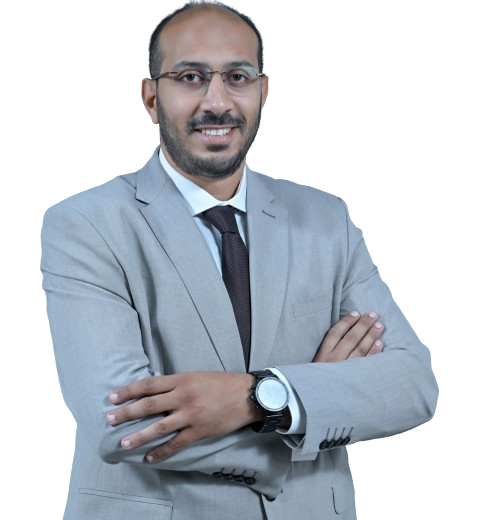
Dr. Essam Elgamal

Dr. Essam Elgamal

Consultant & HOD Neurosurgery
Dr. Mohamed Atef Elzoghby

Dr. Mohamed Atef Elzoghby

Consultant Neurosurgery
Dr. Naeem Farooqi

Dr. Naeem Farooqi

Consultant Neurosurgery
Dr. Ahmed Kamel Mohamed Moner Basha

Dr. Ahmed Kamel Mohamed Moner Basha

Specialist Neurosurgery
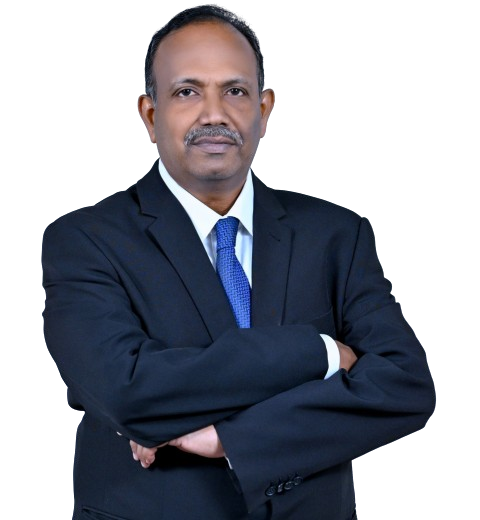
Dr. P. Venkatraman

Dr. P. Venkatraman

Specialist Neurosurgery

Patient Stories.

Click Here
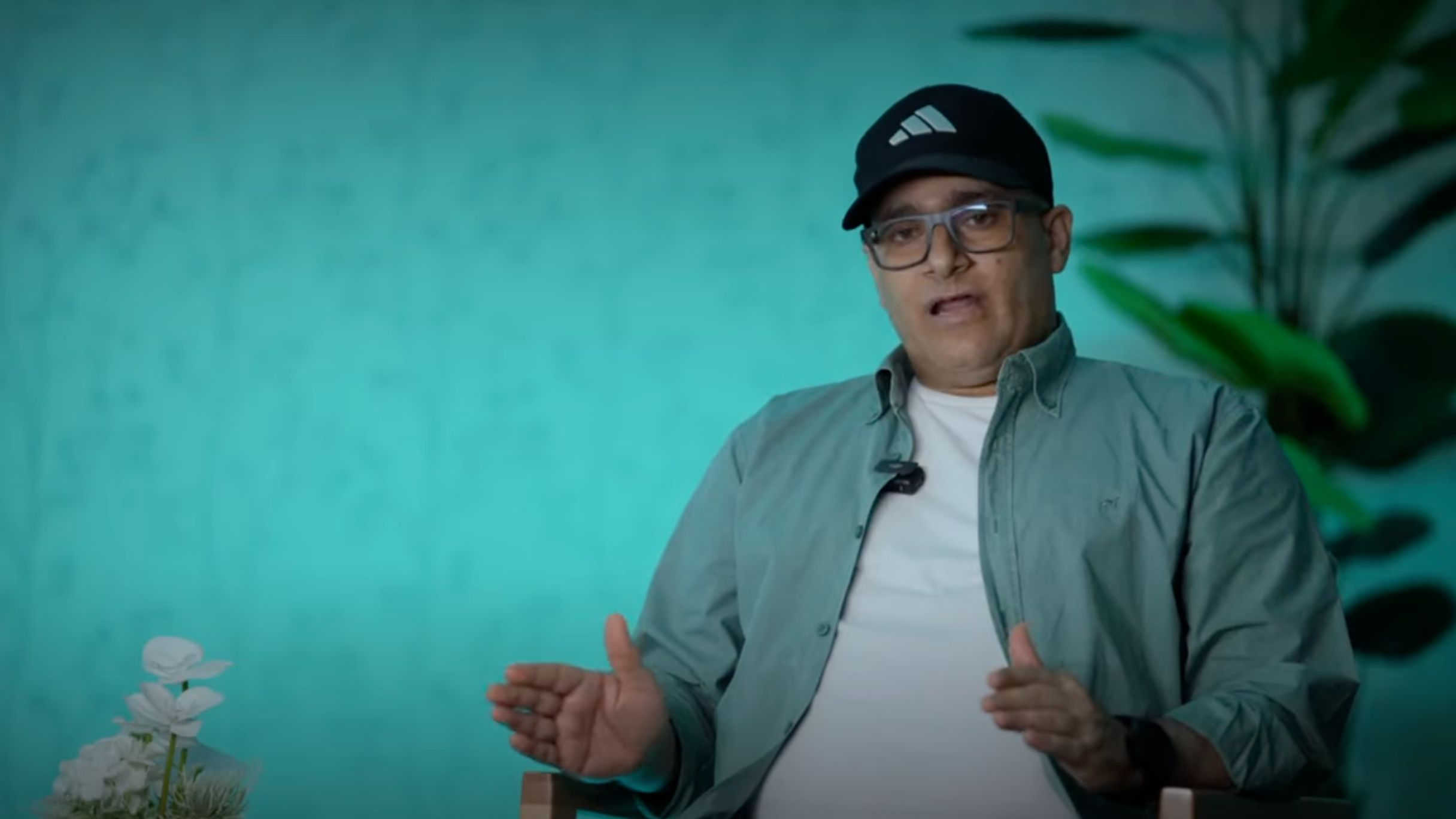
A Healing Journey At Burjeel Cancer Institute

A Healing Journey At Burjeel Cancer Institute

Bassam

Multiple Myeloma

Frequently Asked Questions.

1.What is neurosurgery?

Neurosurgery is a specialized field of medicine that focuses on the diagnosis and surgical treatment of disorders affecting the brain, spine, and nervous system. It includes procedures for tumors, trauma, herniated discs, spinal instability, aneurysms, and more.

2.Is neurosurgery always performed on the brain?

No. While brain surgery is one part of neurosurgery, many neurosurgical procedures are performed on the spine, peripheral nerves, and skull base, depending on the condition.

3.How do I prepare for neurosurgery?

You will undergo preoperative evaluations such as blood tests, imaging (MRI/CT), and sometimes cardiac assessments. Discuss all medications, allergies, and medical conditions with your doctor. Stop smoking, manage your blood sugar if diabetic, and follow fasting instructions the night before surgery. Bring a list of medications and any advance directives on the day of surgery.

4.What are the risks of neurosurgery?

All surgeries carry some risks. Common neurosurgical risks include: Infection. Bleeding. Neurological deficits (e.g., weakness, numbness, speech difficulty). Seizures. CSF (cerebrospinal fluid) leaks. Your surgeon will explain the specific risks based on your condition.

5.How long will I stay in the hospital?

It depends on the procedure: Minimally invasive spine surgery: 1–2 days Brain tumor resection: 3–7 days Complex spinal fusion: 4–6 days ICU observation may be required after major brain surgeries.

6.Will I be in pain after surgery?

Some pain is expected, but we aim to keep you as comfortable as possible with appropriate medications. Spinal surgeries may cause initial soreness, and brain surgeries may cause headaches or scalp tenderness.

7.Will I need rehabilitation after neurosurgery?

Possibly. Many patients benefit from physical therapy, occupational therapy, or speech therapy, especially if the surgery involved motor, sensory, or cognitive areas.

8.Can I return to normal activities after surgery?

Yes, but recovery time varies: Light activities: 2–6 weeks Driving: After clearance by your surgeon (usually 2–4 weeks if no seizures or major deficits) Heavy lifting: Avoided for several weeks to months Your surgeon will provide individualized activity guidelines.

9.What are signs of complications after neurosurgery?

Call your doctor or go to the emergency room if you experience: Severe headache or neck stiffness. High fever. Worsening weakness or numbness. Seizures. Fluid leaking from your incision. Persistent nausea or vomiting.

10.Will I need follow-up after surgery?

Yes. You will have follow-up appointments for: Wound inspection Review of imaging (MRI/CT) Neurological assessment Further treatment planning (e.g., radiotherapy or rehab)

11.Is neurosurgery safe?

While all surgeries carry risks, neurosurgical procedures are often safe and effective, especially when performed by experienced teams. Advanced imaging, monitoring, and surgical techniques improve outcomes and reduce complications.

12.What if I’m anxious or scared?

It’s normal to feel anxious. Don’t hesitate to: Ask questions. Bring a family member to consultations. Request a second opinion if unsure. Consider speaking with a hospital counselor or patient navigator

13.Is minimally invasive spine surgery right for me?

Candidacy depends on pathology location and severity; imaging and clinical exam guide the decision.

14.What are the risks of DBS?

Infection (< 2 %), lead misplacement (< 1 %), and hardware complications; benefits often outweigh risks in severe movement disorders.

15.Do you offer second opinions?

Yes—bring your imaging and reports for a comprehensive review.

16.Is back pain always treated with surgery?

No. Most back pain is treated without surgery using medicines, physiotherapy, lifestyle changes, injections, or guided rehabilitation. Surgery is usually considered only when there is nerve compression, weakness, spinal instability, severe pain, or symptoms that do not improve with non-surgical treatment.

17.What conditions may require brain surgery?

Brain surgery may be needed for conditions such as brain tumors, bleeding in the brain, blood clots, aneurysms, severe head injury, brain swelling, epilepsy, or abnormal blood vessels. The need for surgery depends on the diagnosis, symptoms, scan results, and the patient’s overall condition.

18.What tests are needed before brain or spine surgery?

Before brain or spine surgery, doctors may use MRI, CT scan, X-rays, blood tests, nerve tests, angiography, or heart and anesthesia checks. These tests help the surgical team understand the condition, plan the procedure, and reduce possible risks.

19.Is minimally invasive spine surgery suitable for every patient?

No. Minimally invasive spine surgery is suitable only for selected patients. Doctors decide based on the spine condition, nerve compression, spinal stability, anatomy, overall health, and whether the problem can be safely treated through smaller incisions.

20.What are the risks of brain and spine surgery?

Brain and spine surgery may carry risks such as bleeding, infection, blood clots, nerve injury, weakness, numbness, spinal fluid leak, anesthesia-related risks, or the need for another procedure. The exact risks depend on the condition, type of surgery, and the patient’s health.

21.How long does recovery take after spine surgery?

Recovery after spine surgery varies from patient to patient. Some people recover within a few weeks, while complex spine surgery may take several months. Recovery depends on the type of surgery, age, overall health, and the rehabilitation plan.

22.Do I need a second opinion before brain or spine surgery?

A second opinion can be helpful before major brain or spine surgery. It allows you to better understand your diagnosis, treatment options, surgical risks, recovery expectations, and whether surgery is the right choice for your condition.

Ready to Start Your Health Journey?

Take the first step towards better health with our expert team.

Book Appointment Contact Us