Recent Blogs
Stay Updated with the Latest Developments at Burjeel Medical City
Breast Lift after Pregnancy: When is Mastopexy considered?
Pregnancy and breastfeeding can change the shape, volume and position of the breasts. Even when weight returns to its pre-pregnancy range, stretched skin and breast tissue may not fully regain their previous shape. For some women, the breasts may appear lower on the chest, less full or different in size and position than before pregnancy.
A breast lift, also known as Mastopexy or breast lift surgery, may be considered when these changes continue after the body has had time to recover. The right timing depends on factors such as breastfeeding, weight stability, future pregnancy plans and the changes a woman wants to address.
What does Pregnancy and Breastfeeding actually do to breast tissue?
During pregnancy, hormonal changes cause the breasts to increase in size as the body prepares for breastfeeding. Milk production can then cause further changes in breast volume. As the breasts enlarge and later decrease in size, the skin and supporting ligaments can stretch.
After breastfeeding ends, some of the lost volume may not return. The skin may also have less elasticity than before pregnancy. This can result in breasts that appear softer, flatter or lower on the chest.
Post-pregnancy breast changes are therefore not simply a result of weight gain or weight loss. They can involve a combination of changes in breast volume, stretched skin and changes in the position of the breast tissue and nipple.
What is Mastopexy (Breast Lift Surgery)?
Mastopexy is the medical term for a breast lift. It is a surgical procedure that reshapes and raises the breasts by removing excess skin and repositioning breast tissue and the nipple-areola complex when needed.
A breast lift can improve breast position and shape, but it does not add significant breast volume on its own. Women who have experienced considerable volume loss after pregnancy may therefore discuss breast augmentation as well as a lift.
The appropriate approach depends on the amount of skin laxity, breast volume, nipple position and the individual’s desired outcome.
Common Incision Types:
Several incision patterns may be used for breast lift surgery. These include:
• Crescent incision: May be considered for a small amount of lifting in selected cases.
• Donut or periareolar incision: Follows the edge of the areola and may be suitable for limited lifting.
• Vertical incision: Extends around the areola and vertically down the breast and may be used when more reshaping is required.
• Anchor incision: Includes a vertical incision and a horizontal incision beneath the breast and may be appropriate when there is significant excess skin or breast sagging.
The choice depends on the degree of breast sagging, the amount of excess skin and the extent of reshaping required. Post-pregnancy changes can vary considerably, so an individual assessment is important.
When is a Breast Lift considered after pregnancy?
There is no single date that applies to every woman. Breast lift surgery is generally considered only after the body has had sufficient time to recover from pregnancy and breastfeeding.
Breastfeeding should be fully finished before surgery is considered. After breastfeeding ends, breast volume and tissue can continue to change for some time as milk production and related swelling settle.
It is also generally preferable for body weight to have stabilized rather than scheduling surgery soon after childbirth. In practice, this means thinking in terms of months rather than weeks after delivery, with the exact timing determined during a medical consultation.
Future pregnancy plans are another important consideration. Pregnancy after a breast lift can stretch the skin and breast tissue again and may affect the surgical result. Women who are considering another pregnancy soon may therefore be advised to postpone surgery.
Signs you may be a candidate.
A breast lift may be discussed when changes remain after pregnancy and breastfeeding have finished. Possible signs include:
- Nipples or areolas that point downward.
- Breasts that sit lower on the chest than before pregnancy.
- Breasts that appear deflated or have lost upper fullness.
- Loose or stretched breast skin.
- Breast asymmetry that developed or became more noticeable after pregnancy or breastfeeding.
- A difference between the breast shape and the desired body proportions.
These changes do not automatically mean that surgery is necessary. A plastic surgeon can assess the breast tissue, skin quality and nipple position to determine which options may be appropriate.
Breast Augmentation and Mastopexy: Do you need both?
A common question after pregnancy is whether a breast lift alone will restore lost fullness.
A breast lift primarily changes the position and shape of the breasts. It can remove excess skin and reposition existing tissue, but it does not replace breast volume that has been lost.
For women whose main concern is sagging, with adequate breast volume remaining, a breast lift may be sufficient. For women who have both significant sagging and a loss of fullness, particularly in the upper part of the breasts, breast augmentation and Mastopexy may be discussed together.
Breast augmentation uses an implant to add volume, while Mastopexy addresses the position and shape of the breast. The two procedures can sometimes be performed during the same operation, although the decision depends on the individual’s anatomy, goals and overall safety.
A consultation with a qualified plastic surgeon in abu dhabi can help determine whether the main issue is breast position, volume or a combination of both. The recommended approach should be based on the patient’s anatomy rather than a standard procedure combination.
What to expect during recovery.
Recovery after breast lift surgery varies depending on the extent of the procedure and whether augmentation or another breast procedure is performed at the same time.
An initial period of rest is usually required. Patients may need to limit strenuous activity, heavy lifting and movements that place pressure on the healing breasts. Specific instructions about raising the arms, lifting weights and returning to exercise will be provided by the surgical team.
For a new parent, recovery planning also requires practical consideration. Caring for an infant or young child can involve frequent lifting, carrying and reaching. Arranging support at home during the early recovery period can make it easier to follow activity restrictions and allow the body to heal.
Follow-up appointments are used to monitor healing and address any concerns. Swelling and changes in breast shape can continue to settle during the recovery period, so the final result should not be judged immediately after surgery.
Will future pregnancies affect the results?
Pregnancy can affect the results of breast lift surgery.
As the breasts enlarge during pregnancy and later change in volume, the skin and supporting tissues may stretch again. Significant weight changes can also affect breast shape and position.
This does not mean that a woman cannot become pregnant after a breast lift. It does mean that women who are planning another pregnancy in the near future may wish to discuss the timing of surgery with their plastic surgeon.
The decision is ultimately individual. Understanding future pregnancy plans is an important part of deciding when breast lift surgery should be considered.
Is now the right time? Questions to ask before your consultation.
Before considering breast lift surgery, it may help to ask:
- Have I completely finished breastfeeding?
- Has my weight remained stable for several months?
- Am I planning another pregnancy?
- Is my main concern breast shape and position, volume, or both?
- Have my breasts had enough time to settle after pregnancy and breastfeeding?
- Am I able to plan for the recovery period and arrange help with childcare if needed?
These questions can help establish whether it is the appropriate time to seek an assessment..
Book your Consultation.
Choosing the right time for breast lift surgery after pregnancy requires an individual assessment. A board-certified plastic surgeon can evaluate breast shape, skin elasticity, nipple position and breast volume, while also considering breastfeeding history, weight stability, future pregnancy plans and overall health.
At Burjeel Medical City, consultations for breast surgery focus on understanding the patient’s concerns and developing an appropriate treatment plan. Depending on the assessment, this may involve breast lift surgery, breast augmentation or a combination of procedures.
The goal is to determine whether surgery is appropriate, what approach may be suitable and how the recovery can be planned safely.
Frequently Asked Questions
Our Experts

Dr. Fadi Bakal
Consultant Plastic Surgeon and Head of the Department of Plastic Surgery
Burjeel Medical City, Abu Dhabi

Dr. Arivind Bhamidi
Specialist Plastic and Reconstructive Surgery
Burjeel Medical City, Abu Dhabi

Dr. Praveen Kumar Arumugam
Specialist Plastic and Reconstructive Surgery
Burjeel Medical City, Abu Dhabi
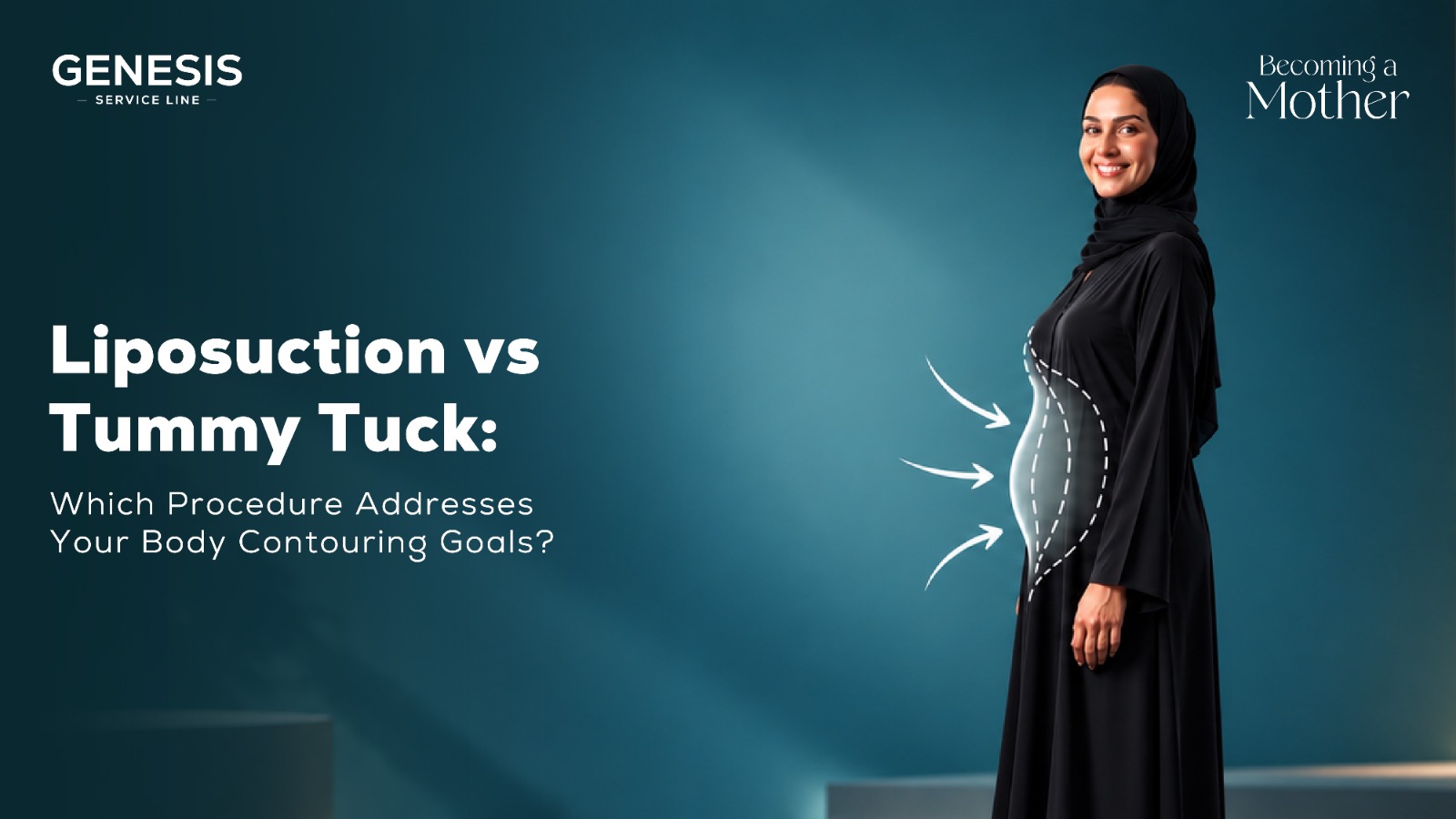
Liposuction vs Tummy Tuck: Which procedure addresses your body contouring goals?
Liposuction and a tummy tuck are often compared because both can change
Is a Mommy Makeover right for your post-pregnancy body goals?
Pregnancy, childbirth, and breastfeeding can bring lasting changes to a woman's body.
Planning Body Contouring surgery after pregnancy.
Pregnancy, childbirth, and breastfeeding can lead to lasting changes in body shape,
When should you take your child to a Pediatrician?
Parents often face uncertainty when deciding whether a child’s symptoms require medical
Comprehensive Pediatric Specialty Care in Abu Dhabi: A guide for parents
Children require medical care that is specifically designed for their age, growth,

Planning for pregnancy: what to do before you conceive
A healthy pregnancy often begins before conception. Taking time to prepare your

Antenatal Care in Abu Dhabi: Complete Guide for Expecting Mothers
What is Antenatal Care? Antenatal Care refers to the regular medical care
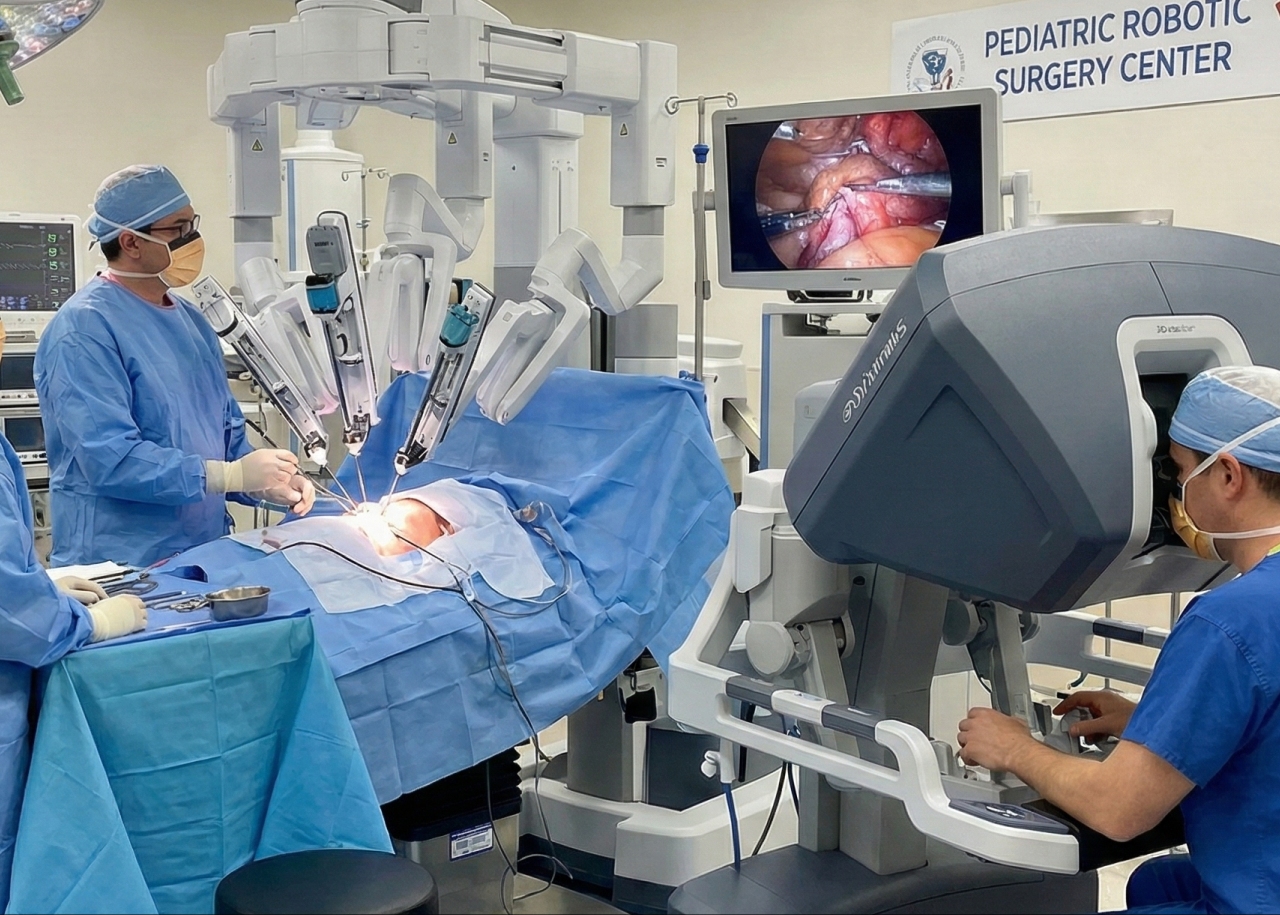
UAE First: 14-Year-Old Undergoes Groundbreaking Robotic Pancreatic Surgery
In a landmark achievement for pediatric surgery in the UAE, a 14-year-old girl