Recent Blogs
Stay Updated with the Latest Developments at Burjeel Medical City
UAE First: 14-Year-Old Undergoes Groundbreaking Robotic Pancreatic Surgery
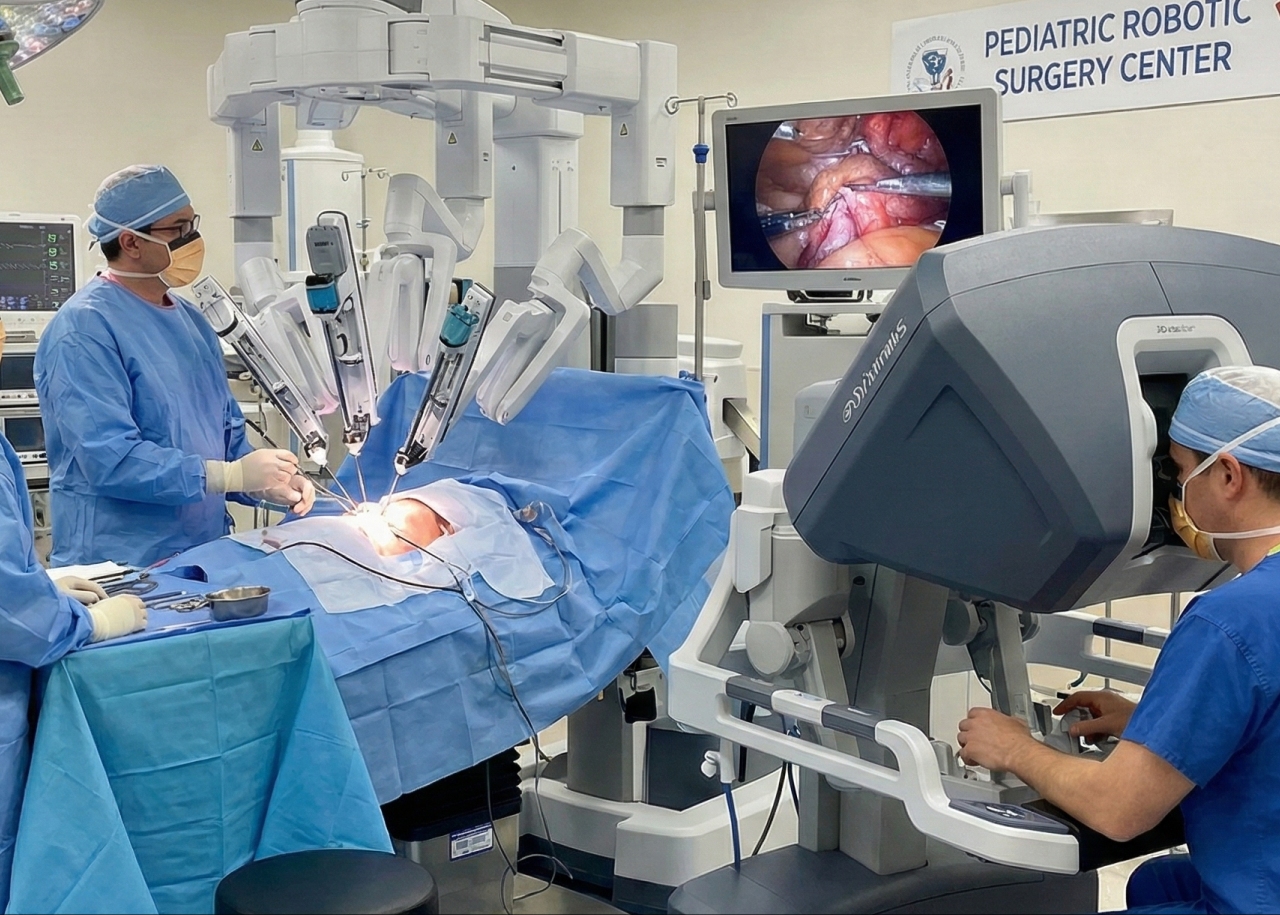
In a landmark achievement for pediatric surgery in the UAE, a 14-year-old girl became the first child in the country to undergo robotic spleen-sparing distal pancreatectomy. The complex procedure, performed at Burjeel Medical City , demonstrates the advancement of minimally invasive pediatric surgery and the expertise now available locally for the most challenging cases.
The Discovery
The teenager presented with a history of recurrent upper abdominal pain. Initial evaluation and imaging revealed an unexpected finding: a cystic mass of the pancreas requiring specialized surgical intervention.
Comprehensive Investigation
Laboratory Tests: All routine labs were normal
Ultrasound:
- Well-defined hypoechoic lesion medial to left lobe of liver
- Located in gastro-hepatic region
- Abutting the body of pancreas
CT Scan:
- Well-defined hypodense mass (46×44 mm)
- Located in distal body of pancreas
- No significant enhancement
- No calcification
- No pancreatic duct dilatation
- Normal peri-pancreatic tissues
MRI Pancreas:
- 45 x 44 x 38 mm well-circumscribed enhancing lesion
- Distal body of pancreas
- Intralesional hemorrhagic component
- Diagnosis suggested: Solid pseudo-papillary epithelial neoplasm (SPEN)
Understanding SPEN
Solid Pseudo-Papillary Epithelial Neoplasm (SPEN):
- Rare type of pancreatic cystic neoplasm
- Low malignant potential
- Predominantly affects young females (90% of cases)
- Usually asymptomatic
- Can grow to large size
- May produce vague symptoms
- If at pancreatic head: can cause jaundice
Natural History:
- Slow-growing tumor
- Can reach significant size
- Pressure effects on nearby structures
- Excellent prognosis with complete surgical removal
- Very low recurrence rate after complete resection
The Surgical Decision
Given the tumor’s nature and potential to grow, early surgical treatment was advised. The planned approach: minimally invasive distal pancreatectomy with spleen preservation using robotic technology.
Why preserve the spleen?
- Spleen is vital for immune function
- Protects against certain bacterial infections
- Particularly important in children and young adults
- Removal increases lifelong infection risk
- Preservation significantly beneficial
Why robotic surgery?
- Enhanced precision in tight anatomical spaces
- 3D high-definition visualization
- Wristed instruments allow delicate dissection
- Preserves delicate splenic blood vessels
- Faster recovery than open surgery
- Better cosmetic outcome
- Reduced post-operative pain
The Complex Surgical Challenge
Spleen-sparing distal pancreatectomy is one of the most technically demanding pancreatic operations:
Anatomical Complexity:
- Splenic artery and vein course through entire pancreas length
- Vessels intimately attached to pancreatic tissue
- Multiple small branches supply spleen
- Separating vessels from pancreas requires extreme precision
Surgical Precision Required:
- Individual ligation of pancreatic branches
- Preservation of all splenic vessel branches
- Avoiding vessel injury (causes uncontrolled bleeding)
- Preventing vessel spasm (compromises spleen)
- Complete tumor removal with margins
- Minimizing blood loss
Pediatric Specific Challenges:
- Small body size limits working space
- Delicate tissues require gentle handling
- Lower blood volume—minimal loss tolerance
- Psychological considerations for teenager
- Family anxiety management
The Robotic Advantage
The Da Vinci Robot provided critical advantages:
Visualization:
- 10x magnification
- 3D high-definition imaging
- Superior to human eye and 2D laparoscopy
Instrumentation:
- Wristed instruments (7 degrees of freedom)
- Tremor elimination
- Scaled motion (surgeon’s hand movements reduced)
- Precise dissection in millimeters
Ergonomics:
- Surgeon at comfortable console
- Reduced fatigue during long procedures
- Maintains precision throughout operation
- Better decision-making
The Procedure
Operative Approach:
- Patient positioned appropriately
- Robotic ports placed
- Da Vinci Xi system docked
- Systematic approach to pancreatic mobilization
- Careful dissection of splenic vessels
- Distal pancreatectomy performed
- Spleen preserved with intact blood supply
- Hemostasis achieved
- No drain required (per ERAS protocol)
Enhanced Recovery After Surgery (ERAS) Protocol:
- No drain tubes
- No urinary catheter
- No gastric tubes
- Early mobilization
- Early oral intake
- Reduced opioid use
- Faster discharge
Operative Results:
- Successful complete tumor removal
- Spleen fully preserved
- Minimal blood loss
- No complications
- Excellent hemostasis
Remarkable Recovery
Post-Operative Day 1 (POD 1):
- Mobilized after 6-8 hours
- Tolerated oral liquids after 8 hours
- Pain adequately controlled
- No ICU stay required
- Shifted to regular ward
POD 3:
- Reached full oral feeds
- Walking independently
- Minimal pain
- Normal bowel function
POD 7:
- Cleared for discharge
- Eating regular diet
- No restrictions
- Follow-up scheduled
Pathology Results
Histopathology confirmed: Solid pseudo-papillary epithelial neoplasm
- Complete removal achieved
- Clear margins (R0 resection)
- No malignant features
- Excellent prognosis
Why This Surgery Matters
For the Patient:
- Tumor removed completely
- Spleen preserved (lifelong immune benefit)
- Minimal scarring (4 small incisions)
- Fast recovery (7 days hospital)
- Returned to school quickly
- Normal teenager life resumed
For the Region:
- First pediatric robotic pancreatic surgery in UAE
- Family stays together
- Cost-effective quality care
- Establishes program for future cases
For Burjeel Medical City:
- Demonstrates advanced capabilities
- Multidisciplinary excellence
- International-standard outcomes
- Regional referral center status
The Multidisciplinary Approach
Success required collaboration across specialties:
- Gastroenterology: Diagnosis and EUS-FNA
- Radiology: Detailed imaging interpretation
- Pediatric Surgery: Surgical expertise
- Anesthesia: Pediatric robotic anesthesia management
- Pathology: Frozen section and final diagnosis
- Nutrition: Post-operative dietary management
- Nursing: Specialized pediatric surgical care
Long-Term Prognosis
With complete SPEN removal:
- Cure rate: >95%
- Recurrence: very rare
- Normal pancreatic function expected
- Preserved spleen function
- No dietary restrictions
- Regular surveillance only
- Excellent quality of life
- Normal life expectancy
Burjeel’s Robotic Surgery Excellence
Da Vinci Xi Capabilities:
- Latest generation robotic system
- Pediatric and adult applications
- Multiple surgical specialties
- Experienced robotic surgeons
- High-volume robotic program
- Superior outcomes
- Comprehensive training program
Specialties Using Robotics:
- Gastrointestinal surgery
- Urology
- Gynecology
- Thoracic surgery
- Cardiac surgery
- Pediatric surgery
Our Experts

Dr. Ali Iyoob Valiyaveettil
Consultant and Head – Gastro-Intestinal Surgery
Burjeel Medical City, Abu Dhabi

Advanced Pediatric & Robotic Surgery
Complex pediatric conditions require specialized expertise and child-focused care. Our robotic surgery program provides comprehensive evaluation and advanced minimally invasive solutions for children and adolescents.
For Appointments & Consultations:
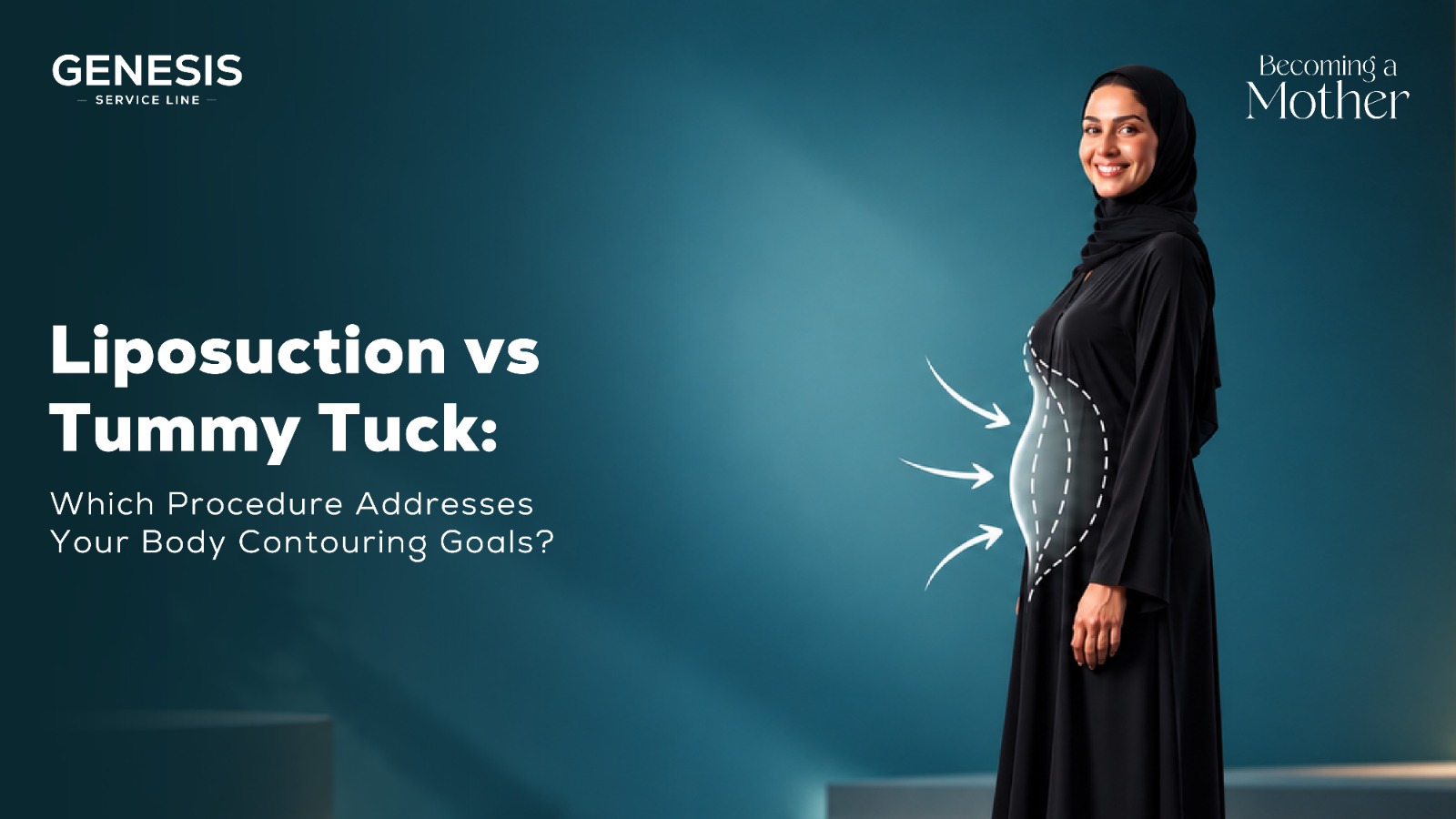
Liposuction vs Tummy Tuck: Which procedure addresses your body contouring goals?
Liposuction and a tummy tuck are often compared because both can change

Breast Lift after Pregnancy: When is Mastopexy considered?
Pregnancy and breastfeeding can change the shape, volume and position of the

Is a Mommy Makeover right for your post-pregnancy body goals?
Pregnancy, childbirth, and breastfeeding can bring lasting changes to a woman's body.
Planning Body Contouring surgery after pregnancy.
Pregnancy, childbirth, and breastfeeding can lead to lasting changes in body shape,
When should you take your child to a Pediatrician?
Parents often face uncertainty when deciding whether a child’s symptoms require medical
Comprehensive Pediatric Specialty Care in Abu Dhabi: A guide for parents
Children require medical care that is specifically designed for their age, growth,

Planning for pregnancy: what to do before you conceive
A healthy pregnancy often begins before conception. Taking time to prepare your

Antenatal Care in Abu Dhabi: Complete Guide for Expecting Mothers
What is Antenatal Care? Antenatal Care refers to the regular medical care