Recent Blogs
Stay Updated with the Latest Developments at Burjeel Medical City

When should you take your child to a Pediatrician?
Parents often face uncertainty when deciding whether a child’s symptoms require medical attention. In many cases, it is not immediately clear whether fever, cough, or behavioural changes are part of a normal childhood illness or something that needs evaluation.
A Pediatrician plays a central role in assessing childhood illnesses, monitoring growth and development, and guiding preventive healthcare. Expert pediatric care in Abu Dhabi is designed to support children from newborn stage through adolescence, ensuring early detection of health concerns and timely management.
Importantly, pediatric visits are not only for illness. They also include vaccination schedules, nutrition guidance, developmental monitoring, and routine health checks that support long-term wellbeing.
What does a Pediatrician do?
Treats common childhood illnesses: Pediatricians manage a wide range of common conditions such as fever, cough, cold, vomiting, diarrhea, rashes, ear pain, throat infections, and minor injuries. They assess severity, identify underlying causes, and guide appropriate treatment to prevent complications.
Monitors growth and development: Regular pediatric visits include tracking height, weight, head circumference in younger children, and developmental milestones such as speech, movement, learning, and behavior. These assessments help identify delays or concerns at an early stage.
Provides preventive child healthcare: Preventive care includes vaccinations, nutrition counseling, sleep guidance, routine checkups, school health assessments, and general wellness monitoring. These visits are essential even when the child is healthy.
Refers children to pediatric specialists when needed
If a child requires advanced evaluation, pediatricians coordinate referrals to sub-specialists such as pediatric cardiology, endocrinology, gastroenterology, neurology, pulmonology, nephrology, or pediatric surgery, depending on clinical findings.
Signs your child should see a Pediatrician
Fever that lasts or keeps returning: Persistent or recurrent fever should be evaluated, especially if associated with poor feeding, rash, breathing difficulty, unusual sleepiness, or signs of dehydration.
Cough, cold, or breathing symptoms: A cough that lasts more than expected, wheezing, fast breathing, recurrent chest infections, or symptoms affecting sleep and feeding should be assessed by a Pediatrician.
Vomiting, diarrhea, or stomach pain: Repeated vomiting, ongoing diarrhea, abdominal pain, constipation, reflux, blood in stool, or poor weight gain may indicate underlying gastrointestinal concerns requiring evaluation.
Skin rashes or allergic reactions: Rashes accompanied by fever, swelling, itching, breathing difficulty, or spreading skin changes should be reviewed to rule out infection or allergy.
Poor feeding or dehydration: Signs such as reduced fluid intake, fewer wet diapers, dry mouth, sunken eyes, or unusual tiredness may indicate dehydration or feeding difficulties.
Pain, injury, or persistent crying: Ongoing ear pain, throat pain, abdominal discomfort, unexplained crying, limping, swelling, or injury should not be ignored, especially if symptoms persist.
Symptoms that may need urgent pediatric care
Breathing difficulty or blue lips: Any signs of breathing distress, including fast or laboured breathing or bluish discoloration of lips, require immediate medical attention.
Seizure or loss of consciousness: Seizures, fainting episodes, or unresponsiveness should always be treated as urgent and evaluated without delay.
Severe dehydration: Very low urine output, inability to retain fluids, extreme lethargy, dry mouth, or sunken eyes indicate significant dehydration and require urgent care.
High fever in a young infant: Fever in very young infants should be assessed promptly, even if no other symptoms are present.
Serious injury or suspected fracture: Falls, head injuries, burns, deep cuts, or suspected fractures should be evaluated immediately to prevent complications.
When should a healthy child visit a Pediatrician?
Newborn and infant checkups: Early visits focus on feeding, weight gain, jaundice monitoring, sleep patterns, vaccination initiation, and early developmental assessment.
Vaccination visits: Pediatricians guide parents through the recommended immunization schedule, ensuring timely protection against preventable diseases.
Annual child health checkups: Routine checkups include growth tracking, nutrition review, vision and hearing screening, school readiness, and overall physical and emotional wellbeing.
Adolescent health visits: In adolescence, care may include puberty monitoring, emotional health support, lifestyle guidance, sleep habits, nutrition, and preventive counseling.
When should you visit a Pediatrician for growth or development concerns?
Delayed speech or walking: Delayed milestones such as late walking, speech delay, or reduced social interaction should be evaluated early for developmental support.
Poor growth or weight gain: Slow weight gain, poor height progression, or feeding difficulties may indicate nutritional or medical concerns that require assessment.
Learning or behavioural concerns: Difficulty in school, attention issues, behavioural changes, sleep disturbances, or social challenges may benefit from pediatric evaluation.
Early or delayed puberty: Puberty that starts unusually early or appears significantly delayed should be medically assessed to rule out hormonal or developmental issues.
When can a pediatrician refer your child to a specialist?
Pediatric cardiology: For heart murmurs, chest pain, fainting, palpitations, or congenital heart concerns.
Pediatric endocrinology: For growth disorders, diabetes, thyroid conditions, and puberty-related concerns.
Pediatric gastroenterology: For chronic abdominal pain, reflux, constipation, persistent vomiting, or liver-related conditions.
Pediatric neurology: For seizures, headaches, developmental delays, or neurological symptoms.
Pediatric pulmonology: For asthma, wheezing, chronic cough, recurrent infections, or breathing difficulties.
Pediatric nephrology: For urinary tract infections, blood in urine, kidney concerns, or hypertension in children.
Pediatric surgery: For conditions requiring surgical evaluation such as hernias, appendicitis, congenital abnormalities, or abdominal concerns.
How to choose a Pediatrician in Abu Dhabi
Experience with different age groups: A Pediatrician should be experienced in managing newborns, infants, children, and adolescents across different developmental stages.
Access to pediatric sub-specialties: Access to multidisciplinary pediatric services ensures timely referral and comprehensive care when needed.
Diagnostic and emergency support: Availability of laboratory testing, imaging, urgent care, and hospital-based services such as NICU and PICU is important for complex cases.
Clear communication with parents: Effective pediatric care depends on clear explanations of symptoms, treatment options, warning signs, and follow-up plans.
Pediatric care at Burjeel Medical City
General pediatric care: Burjeel Medical City provides pediatric consultations, vaccination services, routine checkups, illness management, and growth monitoring for children of all ages.
Pediatric sub-specialty support: Specialist care is available across pediatric cardiology, endocrinology, gastroenterology, neurology, pulmonology, nephrology, oncology, surgery, NICU, and PICU, ensuring comprehensive care when needed.
Coordinated care for complex pediatric conditions: Children with complex or multi-system conditions benefit from coordinated multidisciplinary care involving multiple pediatric specialties under one system
In conclusion
Parents should seek pediatric care not only when a child is unwell, but also for routine monitoring, preventive care, and developmental assessment. A pediatrician plays a key role in identifying health concerns early, guiding treatment, and ensuring appropriate referrals when required.
Choosing the right pediatric care in Abu Dhabi like from Burjeel Medical City supports a child’s health, development, and long-term wellbeing.
Frequently Asked Questions
If your child has ongoing symptoms, growth concerns, or needs a routine health check, consult a Pediatrician at Burjeel Medical City for timely evaluation and care.
Our Experts

Dr. Vijay Acharya
General Pediatrics & Adolescent Medicine
Burjeel Medical City, Abu Dhabi

Dr. Marelize Bosman
Consultant Pediatric Cardiology
Burjeel Medical City, Abu Dhabi

Dr. Rehna K Rahman
Specialist Pediatric Nephrology
Burjeel Medical City, Abu Dhabi

Liposuction vs Tummy Tuck: Which procedure addresses your body contouring goals?
Liposuction and a tummy tuck are often compared because both can change

Breast Lift after Pregnancy: When is Mastopexy considered?
Pregnancy and breastfeeding can change the shape, volume and position of the

Is a Mommy Makeover right for your post-pregnancy body goals?
Pregnancy, childbirth, and breastfeeding can bring lasting changes to a woman's body.

Planning Body Contouring surgery after pregnancy.
Pregnancy, childbirth, and breastfeeding can lead to lasting changes in body shape,

Comprehensive Pediatric Specialty Care in Abu Dhabi: A guide for parents
Children require medical care that is specifically designed for their age, growth,

Planning for pregnancy: what to do before you conceive
A healthy pregnancy often begins before conception. Taking time to prepare your

Antenatal Care in Abu Dhabi: Complete Guide for Expecting Mothers
What is Antenatal Care? Antenatal Care refers to the regular medical care
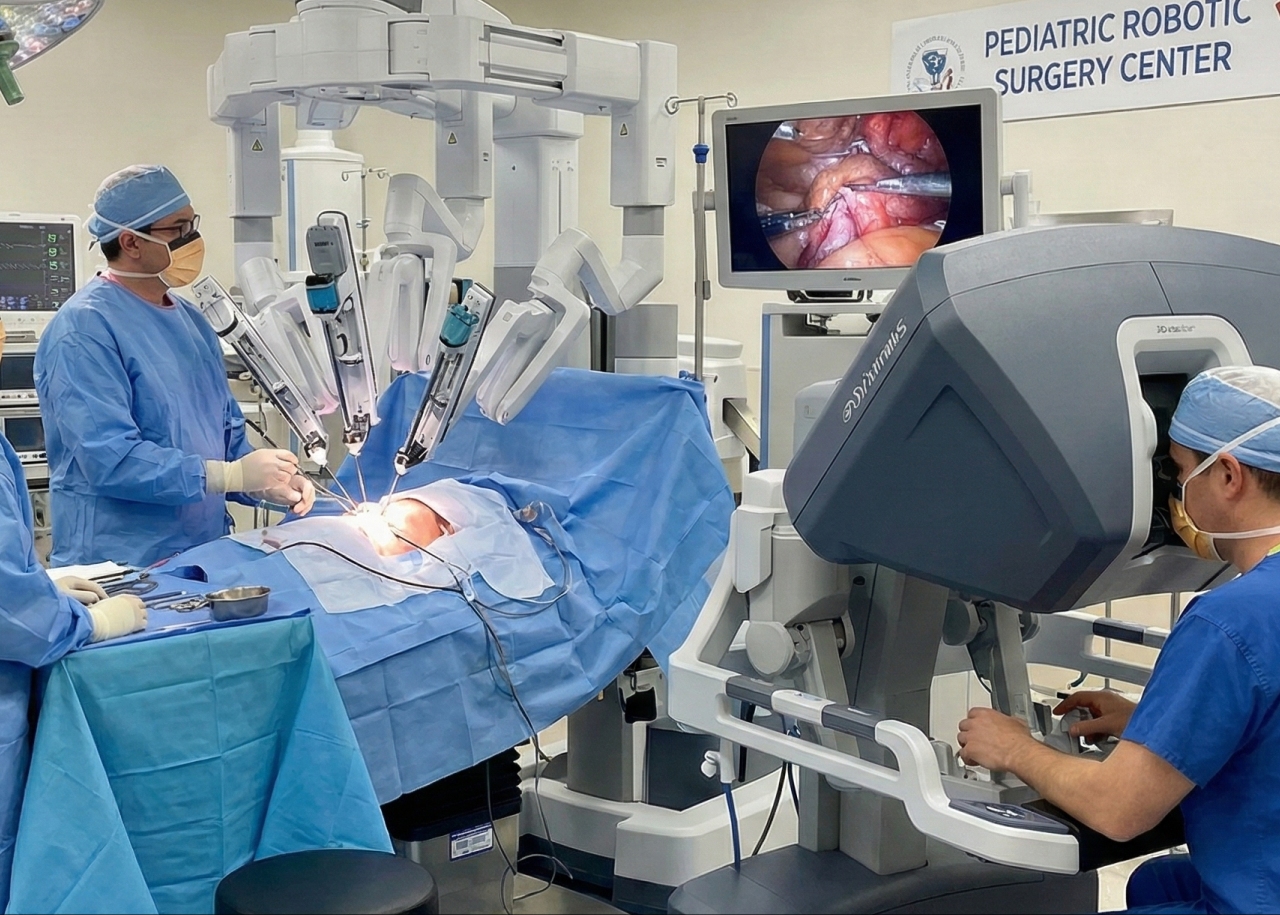
UAE First: 14-Year-Old Undergoes Groundbreaking Robotic Pancreatic Surgery
In a landmark achievement for pediatric surgery in the UAE, a 14-year-old girl