Recent Blogs
Stay Updated with the Latest Developments at Burjeel Medical City

Antenatal Care in Abu Dhabi: Complete Guide for Expecting Mothers
What is Antenatal Care?
Antenatal Care refers to the regular medical care provided during pregnancy. It supports the health of both mother and baby from the earliest weeks of pregnancy through to delivery.
In Abu Dhabi, Antenatal Care typically includes routine checkups, ultrasound scans, laboratory tests, counselling, and structured birth planning. Each step is designed to monitor pregnancy progress and ensure timely medical support when needed.
Antenatal Care is not limited to routine pregnancies. It is equally important for high-risk pregnancies, where closer monitoring may be required to ensure maternal and fetal wellbeing.
Why is Antenatal Care important during pregnancy?
Pregnancy involves continuous physiological changes. Antenatal Care helps track these changes in a structured and medically supervised way.
Monitoring the mother’s health: Regular antenatal visits help assess key health indicators such as blood pressure, weight, and blood sugar levels. Screening for conditions like anemia, thyroid disorders, and infections ensures early identification and management during pregnancy.
Tracking the baby’s growth and development: Ultrasound scans and clinical assessments help monitor fetal growth, heartbeat, position, and overall wellbeing. These evaluations ensure the baby is developing as expected throughout each trimester.
Detecting pregnancy risks early: Antenatal Care supports early detection of conditions such as gestational diabetes, high blood pressure, placental concerns, and fetal growth restriction. Early identification allows timely intervention and improved pregnancy outcomes.
Preparing for delivery and newborn care: As pregnancy progresses, Antenatal Care includes birth planning, discussion of delivery options, breastfeeding guidance, and preparation for newborn care. In some cases, neonatal intensive care support may also be discussed in advance.
When Should You Start Antenatal Care?
First Prenatal Visit: Antenatal Care should begin soon after pregnancy is confirmed, ideally within the first trimester. Early consultation allows timely assessment and structured follow-up planning.
Why Early Pregnancy Care Matters: Early visits help confirm the due date, perform initial ultrasound scans, review medical history, assess risk factors, and initiate essential supplements. This stage also helps establish a clear care plan for the rest of the pregnancy.
What to Bring to Your First Visit: Patients are advised to bring previous medical records, a list of medications, allergy details, prior pregnancy history, surgical history, and any questions they may have for their doctor.
What Happens During the First Antenatal Visit?
Medical and Pregnancy History: The first consultation includes a detailed review of medical history, previous pregnancies, existing health conditions, lifestyle factors, and current symptoms.
Physical Checks and Basic Tests: Routine assessments typically include blood pressure measurement, weight check, urine analysis, and baseline blood investigations to establish maternal health status.
Early Pregnancy Ultrasound: An early ultrasound may be performed to confirm pregnancy location, detect fetal heartbeat, estimate gestational age, and determine the expected due date.
Nutrition and Supplement Guidance: Guidance is provided on Folic Acid, Iron, Vitamin D, hydration, balanced nutrition, and safe physical activity during pregnancy. Patients are also advised on substances to avoid during this period.
Antenatal Care by Trimester
First Trimester Care: This stage focuses on pregnancy confirmation, early scans, baseline blood tests, symptom management such as nausea and fatigue, and initial risk assessment. Genetic screening options may also be discussed.
Second Trimester Care: Care during this period includes fetal growth monitoring, anomaly scans, blood pressure checks, and gestational diabetes screening. Nutritional guidance remains an important part of care.
Third Trimester Care: In the final stage of pregnancy, focus shifts to fetal position, growth assessment, preparation for delivery, identification of labour signs, breastfeeding education, and postpartum planning.
Common Tests and Scans During Pregnancy
Blood and Urine Tests: Routine tests help monitor anemia, blood group, infections, thyroid function, blood sugar levels, and urinary tract health.
Ultrasound Scans: Pregnancy scans may include dating scans, nuchal translucency scans, anomaly scans, growth scans, and fetal wellbeing assessments.
Non-Invasive Prenatal Testing: In selected cases, non-invasive prenatal testing may be offered to assess the risk of chromosomal conditions in the fetus.
Fetal Doppler and Advanced Imaging: Doppler studies and advanced imaging techniques may be used when there is a need to assess placental function, blood flow, or fetal wellbeing more closely.
Invasive Prenatal Tests When Needed: Procedures such as amniocentesis or chorionic villus sampling are recommended only in specific clinical situations where diagnostic confirmation is required.
What Conditions Can Antenatal Care Help Detect?
Gestational Diabetes: Antenatal screening helps detect elevated blood sugar levels during pregnancy and supports appropriate management.
High Blood Pressure and Preeclampsia: Regular monitoring helps identify hypertension and related conditions that may affect maternal and fetal health.
Anemia and Thyroid Problems: Blood tests can detect conditions that may require medical treatment to support a healthy pregnancy.
Fetal Growth Concerns: Ultrasound monitoring helps assess whether the baby is growing within expected ranges.
Placenta or Amniotic Fluid Concerns: Antenatal Care evaluates placental position and amniotic fluid levels to identify any potential risks.
Twin or Multiple Pregnancy: Multiple pregnancies require closer monitoring to ensure optimal outcomes for both mother and babies.
When Is High-Risk Pregnancy Care Needed?
Maternal Health Conditions: Conditions such as diabetes, hypertension, thyroid disorders, heart disease, kidney disease, or autoimmune conditions may require specialist antenatal care.
Baby or Placenta Concerns: Fetal growth restriction, congenital anomalies, or placental abnormalities may require enhanced monitoring.
Previous Pregnancy Complications: A history of preterm birth, miscarriage, stillbirth, or complicated delivery may indicate the need for high risk pregnancy care.
When to See a Maternal Fetal Medicine Specialist: Maternal fetal medicine specialists support pregnancies requiring advanced monitoring, diagnostic evaluation, and coordinated delivery planning.
Warning Signs During Pregnancy That Need Medical Advice
Bleeding or Severe Abdominal Pain: Any bleeding or persistent abdominal pain should be medically assessed without delay.
Severe Headache, Vision Changes, or Swelling: These symptoms may indicate conditions that require urgent evaluation, particularly in later pregnancy stages.
Reduced Baby Movements: Any noticeable reduction in fetal movements should be reported immediately to the healthcare team.
Fever, Burning Urination, or Infection Symptoms: Infections during pregnancy require timely medical attention.
Water Breaking or Regular Contractions Before Term: Early signs of labour should be evaluated promptly.
How Antenatal Care Supports Delivery Planning
Choosing the Right Delivery Plan: Antenatal care includes discussion of vaginal delivery, caesarean section, VBAC where appropriate, and pain relief options based on clinical suitability.
Planning for High-Risk Delivery: In high-risk pregnancies, delivery planning is coordinated across obstetrics, fetal medicine, neonatology, and anaesthesia teams.
Preparing for Breastfeeding and Newborn Care: Expecting mothers receive guidance on breastfeeding, newborn screening, and postnatal recovery support.
Antenatal Care at Burjeel Medical City.
Obstetrics and Pregnancy Care: Burjeel Medical City provides structured Antenatal Care – from pregnancy monitoring, delivery support, and comprehensive women’s health services.
Maternal Fetal Medicine Support: Specialist care is available for high-risk pregnancies, fetal conditions, multiple pregnancies, and advanced prenatal diagnostics.
Neonatology and NICU Support: Newborn care and neonatal intensive care services are available when required, ensuring continuity of care for high-risk deliveries.
Integrated Women and Children Care: The Genesis service line brings together obstetrics, fetal medicine, neonatology, and paediatric specialties under a coordinated care pathway.
How to Choose Antenatal Care in Abu Dhabi
Look for Experienced Obstetricians and Maternity Specialists: Care should be led by specialists experienced in both routine and high-risk pregnancy management.
Check Access to Fetal Medicine and Advanced Scans: Advanced diagnostic capability supports better monitoring and early detection of complications.
Consider NICU and Neonatology Support: Access to neonatal care is important in case of premature or complicated deliveries.
Choose a Team That Communicates Clearly: Clear communication ensures patients understand each stage of pregnancy care and medical decisions.
Look for Continuity of Care: Integrated care from early pregnancy through delivery and postpartum recovery improves overall outcomes.
In Conclusion.
Antenatal Care plays a central role in supporting a safe and well-monitored pregnancy. It enables early detection of risks, structured monitoring of maternal and fetal health, and informed preparation for delivery.
Choosing the right maternity care team in Abu Dhabi like from Burjeel Medical City ensures continuity, clinical safety, and reassurance throughout the pregnancy journey.
Frequently Asked Questions
If you are pregnant or planning your first prenatal visit, consult the maternity care team at Burjeel Medical City for antenatal checkups, scans, and structured pregnancy support.
Our Experts

Dr. Hemant Kanojiya
Specialist Obstetrics and Gynecology
Burjeel Medical City, Abu Dhabi

Is a Mommy Makeover right for your post-pregnancy body goals?
Pregnancy, childbirth, and breastfeeding can bring lasting changes to a woman's body.

Planning Body Contouring surgery after pregnancy.
Pregnancy, childbirth, and breastfeeding can lead to lasting changes in body shape,

When should you take your child to a Pediatrician?
Parents often face uncertainty when deciding whether a child’s symptoms require medical

Comprehensive Pediatric Specialty Care in Abu Dhabi: A guide for parents
Children require medical care that is specifically designed for their age, growth,

Planning for pregnancy: what to do before you conceive
A healthy pregnancy often begins before conception. Taking time to prepare your
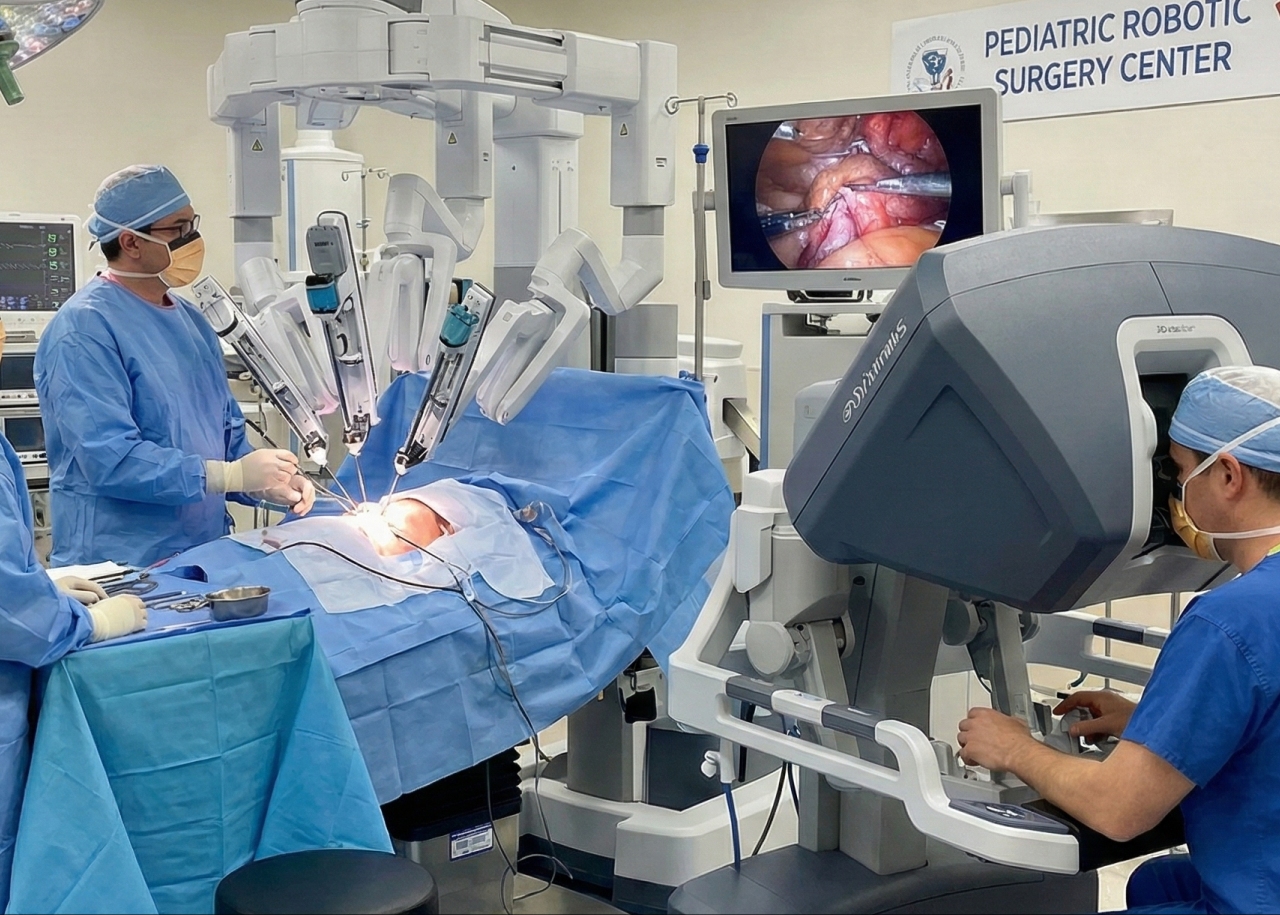
UAE First: 14-Year-Old Undergoes Groundbreaking Robotic Pancreatic Surgery
In a landmark achievement for pediatric surgery in the UAE, a 14-year-old girl
Saving a Limb, Saving a Life: Complex Tumor Surgery Restores 68-Year-Old’s Mobility
When cancer spreads to the bones, patients often face a devastating choice:

Leukemia – Symptoms, Causes, Diagnosis & Treatment
Leukemia is a type of cancer that affects the blood. It can